Selling a home in the North Fulton suburbs is rarely about a lack of buyers. It is about standing out in a market where buyers have options and make decisions quickly. Most sellers are competing not just on price, but on presentation, perceived condition, and how confidently a home shows both online and in person.
That is where home staging becomes one of the most effective tools available to sellers.
Staging is not about decorating for style or spending unnecessarily. It is about helping buyers understand the space, imagine living in it, and feel confident that the home is worth pursuing. In Atlanta’s suburbs, where buyers often compare multiple homes across nearby areas and price points, staging can directly influence how fast a home sells and how strong the offers are.
This guide shares practical home staging tips to help your home sell faster in Atlanta’s suburbs, including a quick staging checklist, a clear step-by-step approach to staging your home, and a realistic look at staging ROI so you can focus on improvements that actually matter to today’s buyers.
Quick Home Staging Checklist for Atlanta Suburban Sellers
If you only address a few items before listing, start here. These are the areas buyers consistently respond to when reviewing photos and touring homes in Atlanta’s suburbs.
- Declutter to emphasize space and layout: Buyers in suburban markets compare square footage, room flow, and functionality closely. Reducing visual clutter helps rooms feel larger and easier to understand at a glance.
- Deep clean to reinforce care and condition: Clean homes signal proper maintenance and reduce buyer concerns about hidden issues.
- Neutralize decor so buyers focus on the home, not the style: Neutral spaces help buyers imagine their own furniture and lifestyle in the home.
- Improve lighting to create a brighter, more welcoming feel: Light affects how buyers perceive size, warmth, and overall value.
- Stage kitchens and primary living areas first: These spaces anchor buyer opinions and heavily influence emotional decision-making.
This checklist reflects how buyers evaluate featured North Atlanta homes for sale when narrowing down their shortlist and deciding which homes to tour.
Why Home Staging Matters in Atlanta’s Suburbs
Buyers shopping in areas like Alpharetta, Milton, Roswell, and surrounding locations tend to be well-informed and comparison-driven. Many tour several homes in the same price range, sometimes within the same North Atlanta communities, before deciding which properties feel worth pursuing.
Buyers also compare active listings to recently sold homes, including past homes sold by the Reid Casey Team, to judge whether a home feels priced appropriately and presented well.
Home staging matters because it helps your home:
- Stand out in listing photos: Buyers often decide which homes to tour based on images alone.
- Feel easier to live in: Clear staging helps buyers quickly understand how rooms function day to day.
- Support pricing confidence: Well-presented homes tend to feel more justifiable at their asking price when compared side by side.
- Build early momentum: Homes that show well from the start often attract stronger interest and cleaner negotiations.
How to Stage Your Home: A Step-by-Step Seller Guide
Approaching staging as a process rather than a last-minute task leads to better results.
Step 1: Declutter With Buyer Perspective in Mind
Decluttering is the foundation of effective staging because it directly impacts how buyers perceive space.
- Remove excess furniture to highlight room size: Buyers frequently compare bedroom and living area sizes. Too much furniture can make rooms feel smaller than they are.
- Limit personal items so buyers can imagine themselves living there: Personal photos and collections anchor the home to the seller rather than the buyer.
- Organize closets and storage areas to demonstrate functionality: Storage is a common buyer concern, and buyers will open doors and cabinets.
Many sellers use this staging step alongside broader home seller resources to plan repairs, staging, and pricing together rather than treating them as separate tasks.
Step 2: Deep Clean to Reduce Buyer Doubt
Cleanliness plays a major role in buyer trust.
- Focus on kitchens and bathrooms where buyers scrutinize detail: These spaces often shape overall impressions.
- Clean floors, baseboards, windows, and light fixtures: Clean surfaces help homes feel brighter and more maintained.
- Eliminate pet odors and lingering smells: Odors are one of the fastest ways to lose buyer interest.
Professional cleaning is often one of the highest return staging investments.
Step 3: Neutralize Visual Distractions
Neutral does not mean boring. It means adaptable.
- Use light, neutral wall colors to appeal to a broader audience: Neutral tones photograph well and feel move-in ready.
- Replace bold or themed decor with simple accents: Buyers want to picture their own style in the space.
Step 4: Address Small Issues Buyers Notice
Minor issues can raise outsized concerns during showings.
- Fix loose hardware, scuffed walls, and dripping faucets: Buyers may assume larger maintenance issues if small ones are visible.
- Ensure consistent lighting throughout the home: Even lighting enhances the ambiance and appearance of rooms, making them feel more inviting and photographable.
Room by Room Staging That Influences Buyer Decisions
Living and Family Rooms
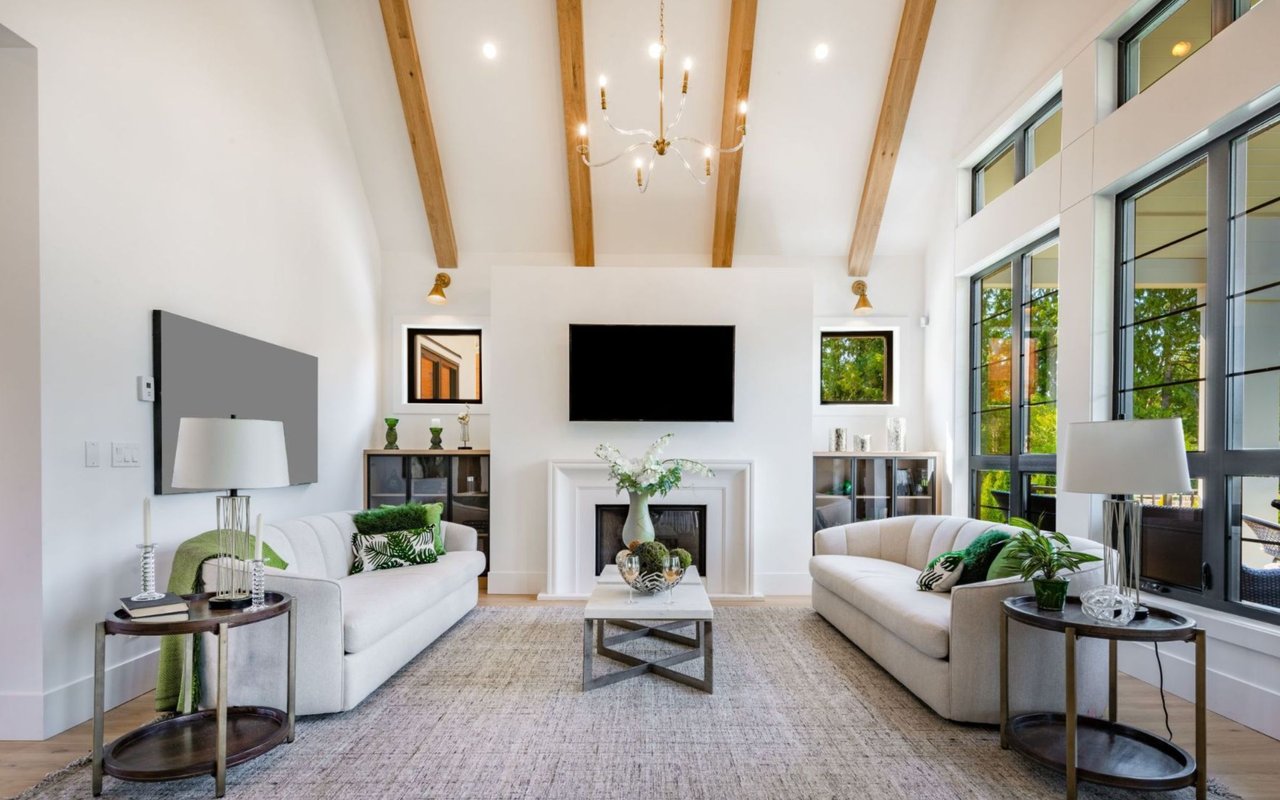
- Arrange furniture to show natural flow and gathering spaces: Buyers want to see how the home supports daily life and entertaining.
- Remove oversized pieces that distort room scale: Proper proportions help rooms feel larger and more functional.
- Highlight architectural features like fireplaces or large windows: These elements help buyers remember the home after touring others.
Kitchen Staging Tips That Build Buyer Confidence
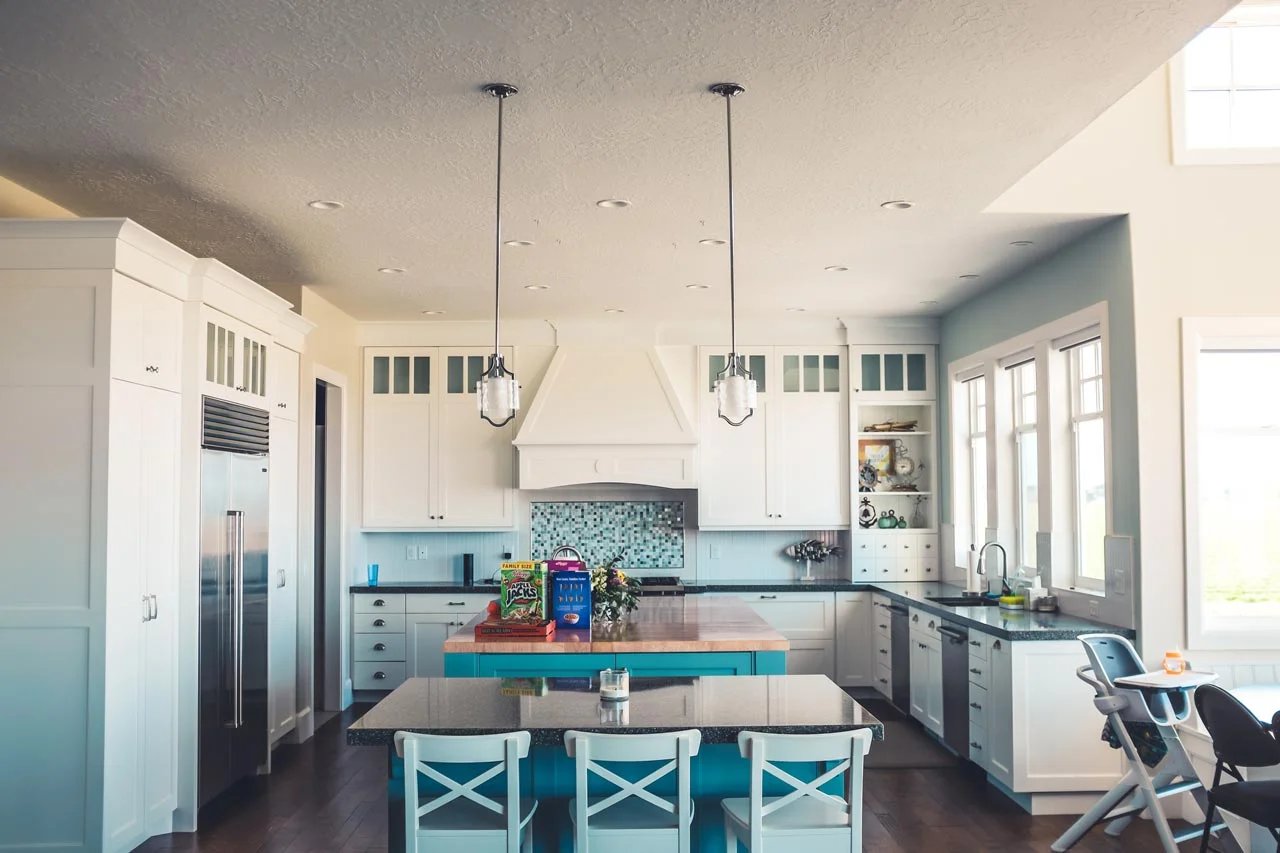
- Keep countertops mostly clear to emphasize workspace: Buyers compare kitchens carefully and value usable surfaces.
- Clean cabinet fronts and hardware to reinforce upkeep: Clean cabinetry suggests thoughtful ownership, even if finishes are original.
- Replace worn rugs or mats that visually age the space: Small updates help kitchens feel current without major expense.
Bedrooms
- Use neutral bedding to create a calm, hotel-like feel: Buyers respond to bedrooms that feel restful rather than personal.
- Limit furniture to emphasize floor space: Perceived bedroom size is a frequent comparison point.
- Create visual balance with matching lamps or nightstands: Symmetry signals order and care.
Bathrooms
- Clear counters to emphasize cleanliness and usability: Buyers often judge bathrooms quickly.
- Use fresh towels and minimal accessories: Simple updates elevate the space without renovation.
- Address visible wear that could distract buyers: Buyers may overestimate repair costs if issues are left unresolved.
Exterior and Curb Appeal
- Maintain landscaping to create a strong first impression: Buyers form opinions before stepping inside.
- Clean walkways and driveways to reinforce care: Exterior presentation sets expectations for the interior.
- Create a welcoming entry that feels intentional: The front door experience matters more than many sellers realize.
Understanding Staging ROI: Spend, Save, Skip
Staging ROI is about perception, not perfection.
Sellers Should Spend On:
- Professional cleaning
- Neutral paint touch-ups
- Lighting improvements
- Professional photography
These items directly influence buyer confidence and time on market.
Sellers Should Save On:
- Partial staging for occupied homes
- Cosmetic refreshes instead of replacements
- Strategic decluttering rather than full redesigns
Sellers Should Skip:
- Major renovations before listing in many cases
- Highly personalized upgrades
- Trend-driven finishes
If you are unsure where to invest and where to hold back, a short conversation can help clarify priorities before listing. You can contact the Reid Casey Real Estate team for guidance specific to your home and current market conditions.
Vacant vs Occupied Homes
Vacant homes often benefit from professional staging to help buyers understand scale and layout. Occupied homes can perform very well with partial staging and thoughtful editing.
The right approach depends on price point, condition, and buyer expectations.
Timing Staging With Pricing and Launch
Staging should be completed before photography and listing launch. Early momentum often shapes the entire sale.
Many sellers request a home valuation at this stage to ensure staging decisions align with realistic buyer expectations and current market conditions.
Final Thoughts on Home Staging in Atlanta’s Suburbs
Home staging is one of the most effective tools sellers have to influence buyer decisions. It supports pricing, improves marketability, and helps buyers feel confident moving forward.
In a market where buyers are comparing multiple options, thoughtful staging can be the difference between strong early interest and extended time on market.
Working with the Reid Casey Team to Sell Your Home
If you are preparing to sell and want guidance on how staging fits into your overall strategy, the next step is a conversation. A tailored approach can help you prioritize improvements that matter and avoid unnecessary spending.
You can contact the Reid Casey Real Estate team to discuss next steps.